How to Tell if a Wound Is Infected Under a Bandage?

Time:2026-09-15 Author:Ethan
0%

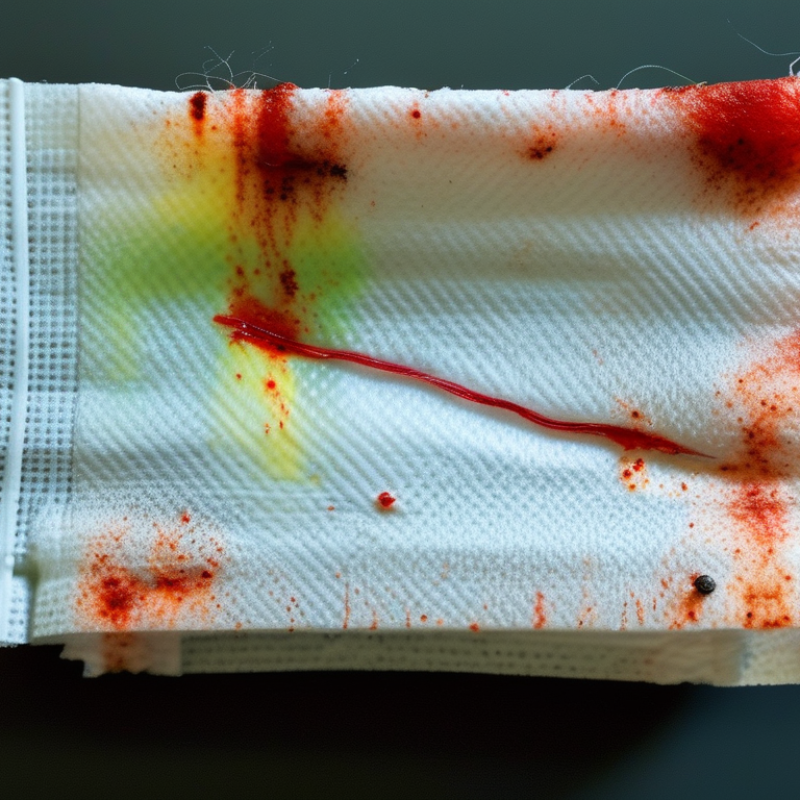
A bandage can protect a wound, but it can also hide early changes that deserve attention. So, what are the signs of an infected wound under a bandage? Look for spreading redness, increasing warmth, swelling, worsening pain, cloudy drainage, bad odor, or skin that feels unusually tender. A damp dressing, yellow-green fluid, or red streaks moving away from the wound should not be ignored. Neither should fever, chills, weakness, or confusion.

The Centers for Disease Control and Prevention estimates that about one in 31 hospital patients has at least one healthcare-associated infection on any given day. The World Health Organization also reports that surgical-site infections remain among the most frequent healthcare-associated infections, especially where prevention resources are limited. These figures do not mean every covered cut is dangerous. They do show why small changes matter.

Wound-care specialist Dr. Robert G. Frykberg has emphasized, “The wound is a window into the patient.” That idea is useful here. The skin around a bandage may reveal trouble before the dressing does. Remove the dressing only as instructed, wash your hands, and avoid repeatedly touching the wound. Take a clear photo if the redness is spreading; it can help a clinician compare changes over time. I would not rely on smell alone. It is sometimes absent. A wound can look only mildly irritated while infection is already developing, especially in people with diabetes or poor circulation. Seek prompt medical advice when symptoms worsen, drainage increases, or red streaking appears.
How to Tell if a Wound Is Infected Under a Bandage?

What an Infected Wound Looks Like Under a Bandage

What an infected wound looks like under a bandage can be difficult to judge. The dressing may be damp with thick yellow, green, or cloudy drainage. A small amount of clear fluid can be normal, but pus is different. It often feels sticky and may smell unpleasant. Blood that keeps soaking through the bandage also deserves attention.

After gently removing the dressing with clean hands, check the skin around the wound. Infection may cause redness that spreads beyond the wound edges, increasing warmth, swelling, or worsening pain. Red streaks moving up the limb are especially concerning.

The wound may look open, soft, or slow to heal. Fever, chills, unusual tiredness, or swollen nearby glands can occur too. It is easy to misread mild redness as infection, particularly during the first day.

Do not squeeze the wound. Rinse away loose drainage with clean running water, then cover it with a fresh sterile dressing. If the bandage sticks, dampen it before removal rather than pulling hard.

Seek medical advice promptly when redness expands, pus appears, pain increases, or fever develops.

People with diabetes, poor circulation, or weakened immunity may need earlier assessment. A photograph can help track changes, but it cannot replace an examination.

Early Warning Signs That May Appear Around the Wound

A bandage can hide changes that deserve attention. Wash your hands, then gently check the surrounding skin when changing it. Mild pinkness may be normal during early healing. However, redness that spreads outward, increasing warmth, or swelling can signal infection. The area may also become more tender instead of gradually improving.

Look for thick yellow or green drainage, a bad smell, or skin that feels unusually tight. Red streaks moving away from the wound need prompt medical attention. Fever, chills, unusual tiredness, or worsening pain are also concerning. These signs do not prove infection alone, but several together should not be ignored. It is easy to mistake normal healing for trouble, especially when the wound looks small.

Tips: Compare the skin each day, preferably in similar lighting. Note changes in redness, pain, swelling, and drainage. Keep the wound covered as advised, and avoid touching it unnecessarily. Do not remove deep scabs or apply unapproved substances. If symptoms worsen, the wound opens, or you feel unwell, contact a qualified healthcare professional promptly. A clinician may need to examine tissue beneath the bandage, since appearance alone can be misleading.

How to Check a Covered Wound Safely

How to Tell if a Wound Is Infected Under a Bandage?

Checking a covered wound safely starts with clean hands and good lighting. Wash your hands for at least 20 seconds. Prepare fresh gauze, a clean surface, and a sealed waste bag. If the dressing sticks, moisten it with sterile saline. Never tear it away. Pulling can reopen fragile tissue.

Look for spreading redness, increasing warmth, swelling, cloudy drainage, bad odor, or worsening pain. Red streaks moving away from the wound need prompt medical attention. Fever, chills, dizziness, or confusion may signal a more serious infection. The CDC’s National Healthcare Safety Network lists purulent drainage, pain, redness, and swelling among important surgical-site infection signs. The World Health Organization reports that surgical-site infections affect about 11% of surgical patients in low- and middle-income countries. A small correction matters: mild redness can occur during normal healing. Pattern and progression matter more than one glance.

Tips: Check at the same time each day. Compare redness with yesterday’s appearance. Do not touch the wound, scrape tissue, or apply unprescribed antiseptics. Replace the dressing with clean materials, following clinical instructions. Seek professional care if symptoms spread, drainage increases, the wound opens, or improvement stops. People with diabetes, poor circulation, or weakened immunity should contact a clinician earlier. My own practical mistake would be rushing the inspection; slow, gentle handling is safer.

How to Tell if a Wound Is Infected Under a Bandage?

Remove the bandage gently after washing your hands, then check for changes rather than relying on one sign alone. Increasing redness, warmth, swelling, pain, pus, red streaks, fever, or feeling unwell may indicate infection.

The chart groups common clinical warning signs by where they appear. It is an educational checklist, not a diagnostic score. Contact a healthcare professional promptly if symptoms are worsening, redness is spreading, pus is present, red streaks appear, or you develop a fever or feel unwell. Seek urgent care for severe pain, rapidly spreading redness, confusion, or difficulty breathing.

When Wound Infection Symptoms Require Medical Attention

A bandage can hide an infected wound, especially when dried fluid sticks to the gauze. Wash your hands before checking it. Look for redness spreading beyond the wound, increasing warmth, swelling, throbbing pain, cloudy drainage, or a foul smell. A thin pink edge may be normal. Expanding redness is not. The NHS advises medical assessment for worsening pain, pus, fever, or red streaks. The World Health Organization’s 2022 report estimates healthcare-associated infections affect 7 in 100 acute-care patients in high-income countries and 15 in 100 in low- and middle-income countries. The CDC also cites about 1 in 31 hospital patients with an infection on any given day.

Seek medical attention today if symptoms are worsening, the wound opens, or drainage continues after cleaning. Go urgently for confusion, faintness, fast breathing, severe weakness, or rapidly spreading redness. People with diabetes, poor circulation, reduced immunity, deep wounds, animal bites, or stitches should call sooner. Infection can progress quietly. A home check helps, but it cannot replace an examination. I sometimes underestimate small changes; a dated photo can reveal a pattern more clearly.

Tips: Keep the dressing clean and dry. Do not squeeze the wound or apply leftover antibiotics. If packing sits inside, do not pull it out without instructions. Mark the edge of redness with a pen and record the time. If redness crosses that line, contact a clinician promptly.

How to Prevent Infection While Changing the Bandage

A clean bandage protects a wound, but changing it carelessly can introduce bacteria.

Wash your hands with soap and water for at least 20 seconds. Dry them with a clean towel. Prepare fresh gauze, tape, and a disposal bag before touching the old dressing. Use a clean, dry surface, and keep pets away during the change.

Peel the bandage slowly. If it sticks, moisten it with clean water instead of pulling hard. Look for spreading redness, increasing warmth, swelling, pus, or a foul smell. Some tenderness is normal, but worsening pain deserves attention.

Rinse the wound gently with sterile saline or clean running water. Avoid scrubbing, hydrogen peroxide, and alcohol unless a healthcare professional recommends them. These products can irritate healing tissue. Pat the surrounding skin dry with clean gauze, then apply a fresh dressing without touching its inner surface.

Keep the bandage dry and replace it whenever it becomes wet, dirty, or loose. Wash your hands again afterward. Do not share towels, scissors, or dressing supplies.

It is easy to rush when the wound looks minor. I have found that preparing everything first prevents most avoidable mistakes.

If redness spreads quickly, red streaks appear, fever develops, or the wound opens, seek medical care promptly. People with diabetes, poor circulation, or weakened immunity should contact a clinician sooner, even when symptoms seem mild.

FAQS

What might an infected wound look like under a bandage?

The dressing may contain thick yellow, green, or cloudy drainage. Pus can feel sticky and smell unpleasant. Blood repeatedly soaking through the bandage also needs attention.

Is redness around a wound always a sign of infection?

No. A thin pink edge may appear during the first day. Redness spreading beyond the wound edges is more concerning. I may underestimate small changes, so compare dated photos.

What other signs can suggest a wound infection?

Watch for increasing warmth, swelling, throbbing pain, delayed healing, or an opening wound. Fever, chills, unusual tiredness, and swollen nearby glands can also occur.

How should I check a wound beneath a bandage?

Wash your hands first. Remove the dressing gently. If gauze sticks, dampen it instead of pulling hard. Check the surrounding skin in good light.

What should I do after seeing drainage?

Rinse loose drainage with clean running water. Do not squeeze the wound. Cover it with a fresh dressing. Avoid using leftover antibiotics unless instructed.

When should I seek medical advice?

Contact a clinician promptly if redness expands, pus appears, pain worsens, or drainage continues after cleaning. Seek help sooner for deep wounds, stitches, bites, or reduced immunity.

Which symptoms require urgent medical attention?

Seek urgent care for confusion, faintness, fast breathing, severe weakness, or rapidly spreading redness. Red streaks moving up an arm or leg are especially concerning.

Can a photograph help monitor an infected wound?

Yes. Take a dated photo in similar lighting. Mark the redness edge with a pen and record the time. If redness crosses the mark, contact a clinician. A photo helps, but it cannot replace an examination.

Conclusion

Learning what are the signs of an infected wound under a bandage can help you respond early. Warning signs may include increasing redness, warmth, swelling, tenderness, throbbing pain, cloudy or foul-smelling drainage, pus, red streaks, or skin that appears to be worsening rather than healing. A damp, loose, or dirty bandage can also hide changes, so the wound should be checked carefully in good light. Wash your hands, gently remove the covering, and avoid touching the wound unnecessarily. Do not scrape, squeeze, or use harsh substances on it.

Seek medical attention if redness spreads, pain or swelling becomes severe, drainage increases, the wound opens, or you develop a fever, chills, weakness, or red streaks extending from the area. People with diabetes, poor circulation, or weakened immunity should seek advice sooner. To reduce infection risk, clean the wound as directed, pat it dry, apply a fresh sterile dressing, and change it whenever it becomes wet or dirty.

Ethan

Ethan

Ethan is a seasoned marketing professional with a deep expertise in our company's innovative product line. With a passion for sharing knowledge and insights, he takes the lead in regularly updating our corporate blog, where he explores industry trends, product features, and effective marketing......