Removing medical tape should be gentle, controlled, and guided by the skin’s condition. Rushing can pull fragile skin, reopen a healing area, or leave painful adhesive behind. This guide explains how to remove medical tape without damaging the skin, using practical steps supported by basic wound-care principles.
Small details matter. Clean, dry hands reduce contamination. A warm, damp cloth may soften stubborn adhesive, while slow peeling keeps tension low. Pull the tape back over itself, rather than lifting it straight upward. Watch for redness, swelling, broken skin, or unusual bleeding. Stop if the area becomes sharply painful.
Not every tape behaves the same way. Paper tape, fabric tape, and transparent film can respond differently to moisture and warmth. Some people also react to adhesive ingredients. No method is perfect. Skin may still feel tender afterward, especially after repeated dressing changes. If the tape covers stitches, a surgical wound, a feeding tube, or an intravenous line, follow the instructions from a qualified healthcare professional instead of guessing. A pharmacist, nurse, or doctor can recommend a safer removal product when needed.
The safest approach is patient, observant, and prepared to pause. Never force the final corner. That small decision can protect the skin barrier and support better healing.
Understanding Medical Tape and Skin Safety
What Is the Safest Way to Remove Medical Tape?
Medical tape protects dressings, tubing, and fragile wounds, but removal can injure the skin. Medical adhesive-related skin injury, or MARSI, has been reported in approximately 15% to 50% of patients exposed to adhesives, according to a clinical review in the Journal of Wound, Ostomy and Continence Nursing. Risk increases with age, moisture, repeated taping, and delicate skin. Slow down.
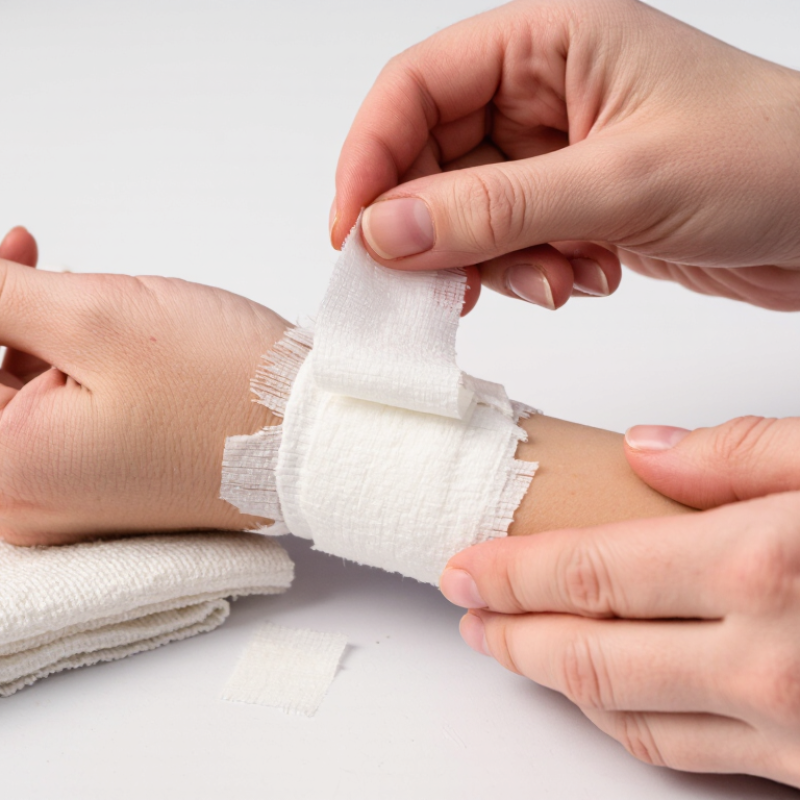
Wash and dry your hands. Check the skin around the tape before pulling. If redness, blistering, bleeding, or unusual pain appears, stop and seek clinical advice. Loosen one corner with a clean finger. Pull the tape back slowly, keeping it low and parallel to the skin. Support the nearby skin with your other hand. Avoid a sudden upward tug. That hurts more.
An adhesive remover may help, but it should suit the patient’s skin and the dressing type. Follow clinical instructions, especially near wounds, stomas, or intravenous lines. Never scrape the skin or use harsh household solvents. A 2021 international consensus on adhesive-related skin injury recommends assessing skin condition, limiting tension, and choosing products according to individual risk. In practice, I have found that warmth from a hand can soften some adhesives, although this is not reliable for every material. I used to focus mainly on removing the tape quickly. That was a mistake. Skin condition matters more than speed. After removal, inspect the area and document any reaction for the next dressing change.
What Is the Safest Way to Remove Medical Tape?
Clinical skin-safety guidance generally recommends removing tape slowly, keeping the tape close and parallel to the skin, and supporting the surrounding skin with one hand. The chart compares common peel angles; 180° represents a parallel peel.
Key point: A slow, low-angle, parallel peel is typically gentler than pulling the tape straight upward. Stop if the skin becomes painful, red, swollen, or damaged.
Preparing the Skin and Supplies Before Removal
Before removing medical tape, gather clean gloves, gauze, warm water, a waste bag, and a skin-safe adhesive remover. Wash your hands and place the supplies within reach. Good preparation prevents hurried pulling. The International Wound Journal reported medical adhesive-related skin injury rates from 2.5% to 29.5% across clinical settings, partly because studies used different definitions. Fragile skin deserves extra attention.
Inspect the area under and around the tape. Look for redness, swelling, blisters, drainage, or broken skin. Ask a healthcare professional before removing tape over surgical closures, drains, or fresh wounds. Keep the skin dry unless your clinician permits gentle moisture. A warm, damp cloth may soften adhesive, but soaking can weaken nearby dressings. I used to focus only on the tape. That was too narrow.
Support the skin with one hand. Lift a corner slowly, then pull the tape back over itself, close to the skin. Do not pull upward. Stop if sharp pain, bleeding, or skin lifting occurs. The International Skin Tear Advisory Panel identifies fragile, aged, or repeatedly exposed skin as higher risk for skin tears. A 2023 Wounds UK best-practice statement also emphasizes assessment, gentle removal, and documenting skin reactions. The skin may look fine at first. Check it again after removal, and report persistent redness or blistering.
Loosening the Tape Without Causing Pain
Removing medical tape should be slow, gentle, and patient. Rushing can pull the skin and disturb healing tissue. Wash and dry your hands before touching the tape. Check the skin for redness, swelling, bleeding, or unusual warmth. If these signs appear, contact a healthcare professional before removing it.
Loosen one corner with a clean fingertip. Pull the tape back slowly, keeping it close and parallel to the skin. Do not lift it sharply upward. Use your other hand to support the skin beside the tape. If the adhesive feels tight, pause and apply a warm, damp cloth for several minutes. Keep moisture away from an open wound unless a clinician allows it. I sometimes find that waiting another minute prevents much more discomfort. The tape may still resist, and forcing it is usually the wrong choice.
Tips:
Remove tape after a shower when the adhesive may soften. For sensitive skin, consider an adhesive-removal product recommended by a healthcare professional. Never use alcohol, solvents, or sharp objects near healing skin. If pain continues, stop and ask a nurse or doctor for guidance. Children, older adults, and people with fragile skin may need extra support.
Removing the Tape Slowly in the Safest Direction
What Is the Safest Way to Remove Medical Tape?
Removing the Tape Slowly in the Safest Direction
Removing medical tape safely begins with patience. Wash your hands and inspect the skin around the tape. If the area is wet, dry it gently first. Moisture can make the tape fold and pull unevenly.
Start at one corner. Lift the edge slowly with clean fingers. Pull the tape back over itself, keeping it close and nearly parallel to the skin. Do not pull upward. Moving in the direction of hair growth usually reduces discomfort. Use your other hand to support the skin beside the tape. Keep the motion steady, not sudden. Very slow is better.
Pause when the skin becomes pale, painful, or unusually tight. These signs may indicate excessive traction. I sometimes see people rush because the first corner lifts easily. That can be a mistake. The remaining adhesive may grip more firmly near hair, moisture, or healing skin. If needed, ask a healthcare professional about a suitable adhesive remover. Avoid applying unknown liquids to broken skin.
Children, older adults, and people with fragile skin may need extra care. Stop if bleeding, blistering, swelling, or severe redness appears. Tape covering a fresh wound, surgical site, or medical device should follow the instructions from a clinician. The safest direction can vary with the wound and the person’s condition.
Cleaning and Protecting the Skin After Removal
After medical tape is removed, the skin may look clean but still feel tender. Adhesive residue can pull at the outer skin layer. Wash your hands, then inspect the area under good light. Use lukewarm water and a mild, fragrance-free cleanser. Gently wipe around the site without scrubbing. Pat the skin dry with a clean, soft towel. Rubbing can create tiny breaks that are easy to miss.
Avoid alcohol, hydrogen peroxide, and strong solvents unless a healthcare professional specifically recommends them. They may sting and delay healing. If the skin is dry, apply a thin layer of fragrance-free moisturizer around the area. Do not place lotion directly over an open wound unless advised. Cover fragile or broken skin with a clean dressing, following your clinician’s instructions. Redness that spreads, increasing warmth, swelling, pus, fever, or worsening pain needs medical attention. A small rash may be irritation, but guessing is not always safe.
Tips: Remove residue slowly with water first. Stop if the skin tears. For sensitive skin, test any approved adhesive remover on a small area. Change the dressing when it becomes wet or dirty. I used to think a spotless surface meant healthy skin, but comfort and protection matter more. If the area remains painful, ask a healthcare professional before applying anything new.
What Is the Safest Way to Remove Medical Tape? - Cleaning and Protecting the Skin After Removal
| Stage |
Recommended action |
Why it matters |
Important precautions |
| 1. Check the dressing |
Confirm that the tape is ready to be removed and that no part of it is holding a medical device, drain, or closure in place. |
Tape should not be removed if it is supporting a wound or device unless a healthcare professional has advised you to do so. |
Follow the instructions provided for surgery, wounds, catheters, or other medical devices. |
| 2. Wash your hands |
Wash hands with soap and clean running water for at least 20 seconds, then dry them with a clean towel. |
Clean hands reduce the chance of transferring germs to irritated or broken skin. |
Avoid touching the wound, adhesive surface, or dressing unnecessarily. |
| 3. Loosen the adhesive |
If the tape is firmly attached, gently soften the adhesive with warm water or a clean, damp cloth. Use only an adhesive-removal product if it is appropriate for the skin and recommended by a healthcare professional. |
Moisture and approved adhesive removers can reduce pulling on the outer layer of skin. |
Do not use alcohol, acetone, hydrogen peroxide, or harsh household solvents on broken or irritated skin. |
| 4. Peel slowly |
Start at one corner and peel the tape back slowly, keeping it low and close to the skin rather than pulling it straight upward. |
Slow, low-angle removal places less upward force on the skin. |
Stop if the skin tears, bleeds, or becomes intensely painful. Do not rip the tape off quickly. |
| 5. Support the skin |
Use one hand to gently hold the skin down while the other hand removes the tape. |
Skin support can help limit stretching and discomfort during removal. |
Take extra care with older adults, infants, and people whose skin bruises or tears easily. |
| 6. Clean the area |
Clean intact skin gently with lukewarm water and mild soap, or follow the wound-care instructions provided by a clinician. Pat dry. |
Gentle cleaning removes sweat, adhesive residue, and surface dirt without excessive friction. |
Do not scrub, soak a healing wound, or apply soap directly to an open wound unless instructed. |
| 7. Protect the skin |
Leave intact skin clean and dry. If the area is dry or irritated, ask a healthcare professional whether a fragrance-free moisturizer or protective barrier is suitable. |
Reducing friction and restoring moisture may help support the skin barrier. |
Do not apply creams, oils, or ointments to a wound unless they are part of the recommended care plan. |
| 8. Observe the skin |
Mild, short-lived redness where the tape was attached can occur. Monitor the area over the next 24–48 hours. |
Monitoring helps identify worsening irritation, contact dermatitis, or infection. |
Increasing redness, warmth, swelling, pain, drainage, blisters, or spreading rash requires medical advice. |
| 9. Seek urgent help when needed |
Contact a healthcare professional promptly for uncontrolled bleeding, deep skin separation, severe swelling, breathing difficulty, or signs of a serious allergic reaction. |
These symptoms may indicate a significant skin injury, infection, or allergic reaction. |
Call emergency services for trouble breathing, facial swelling, faintness, or rapidly worsening symptoms. |
Key principle: Remove medical tape slowly, close to the skin, while supporting the surrounding skin. When in doubt, follow the instructions from your healthcare professional.
Conclusion
Removing medical tape safely begins with understanding that different tapes and skin types require different levels of care. Before starting, wash and dry your hands, gather clean supplies, and inspect the skin for redness, swelling, blisters, or open areas. To learn how to remove medical tape without damaging the skin, gently loosen one corner rather than pulling abruptly. If the adhesive feels tight, soften it with a warm, damp cloth or an appropriate skin-safe adhesive remover, avoiding contact with wounds unless instructed by a healthcare professional.
Peel the tape slowly in the direction of hair growth while keeping it close and parallel to the skin. Use your other hand to support the surrounding skin and pause if pain or irritation increases. After removal, clean away any residue gently, allow the area to dry, and apply a suitable protective dressing if needed. Seek medical advice if the skin is broken, shows signs of infection, or reacts severely.

 Nexus Medical