Nexus Medical
1 / 5
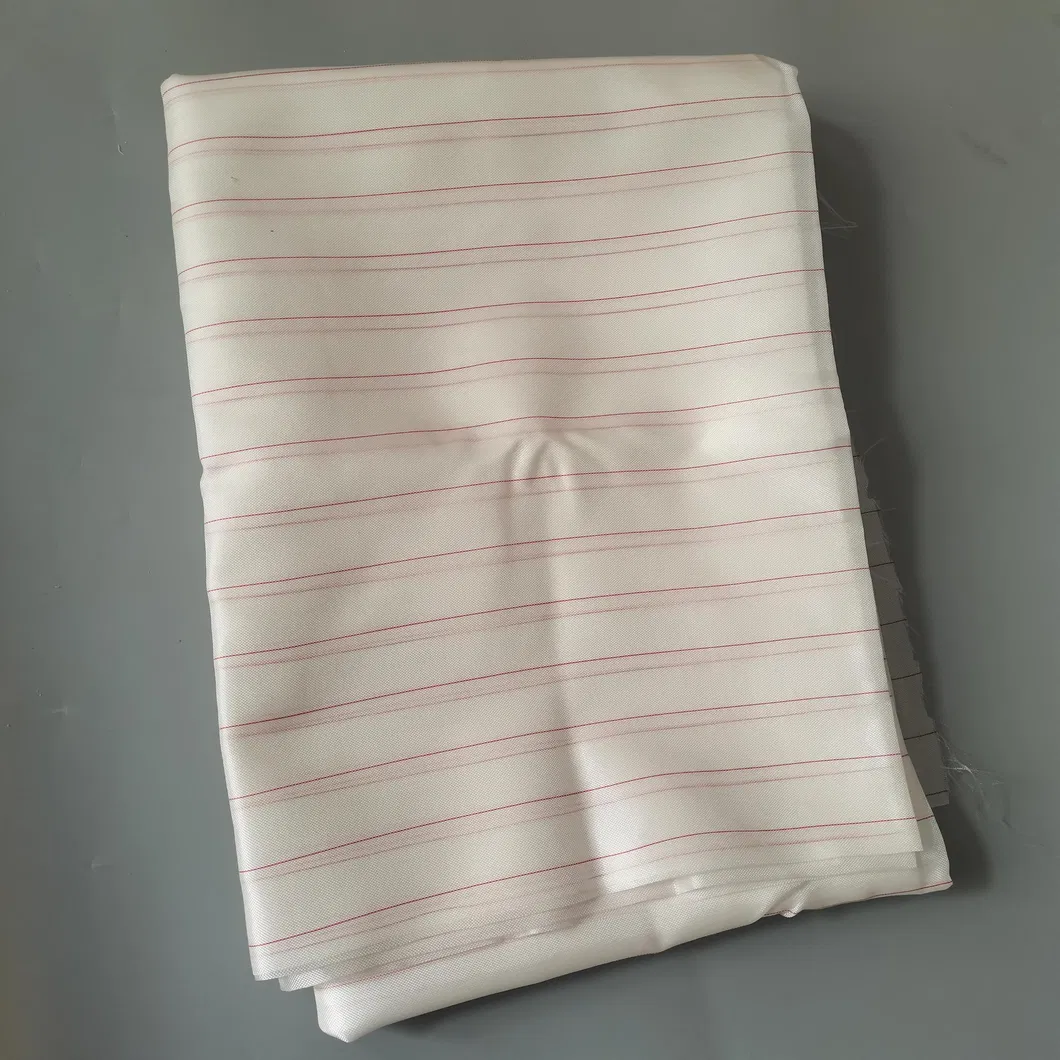
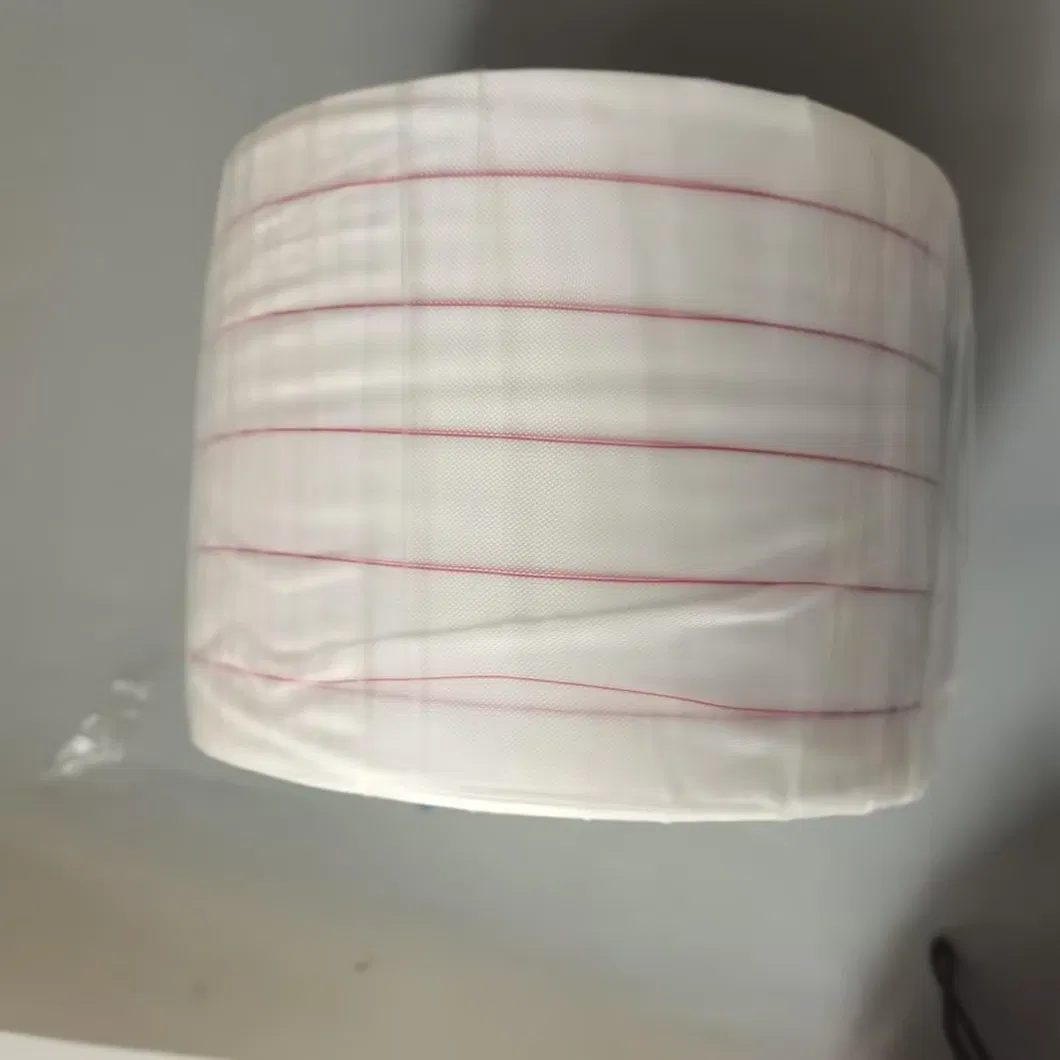
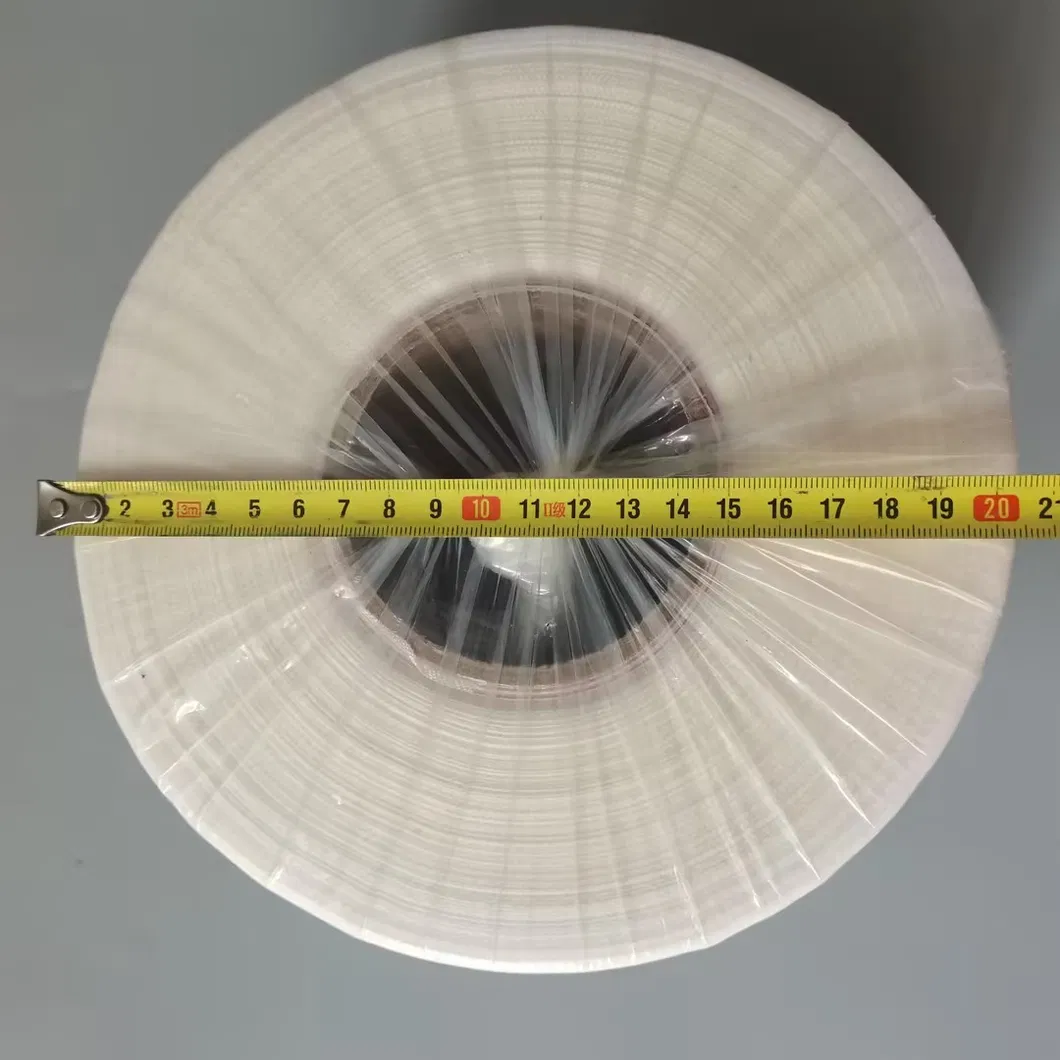
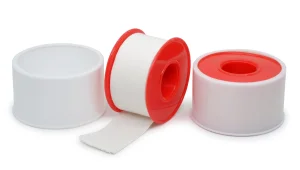
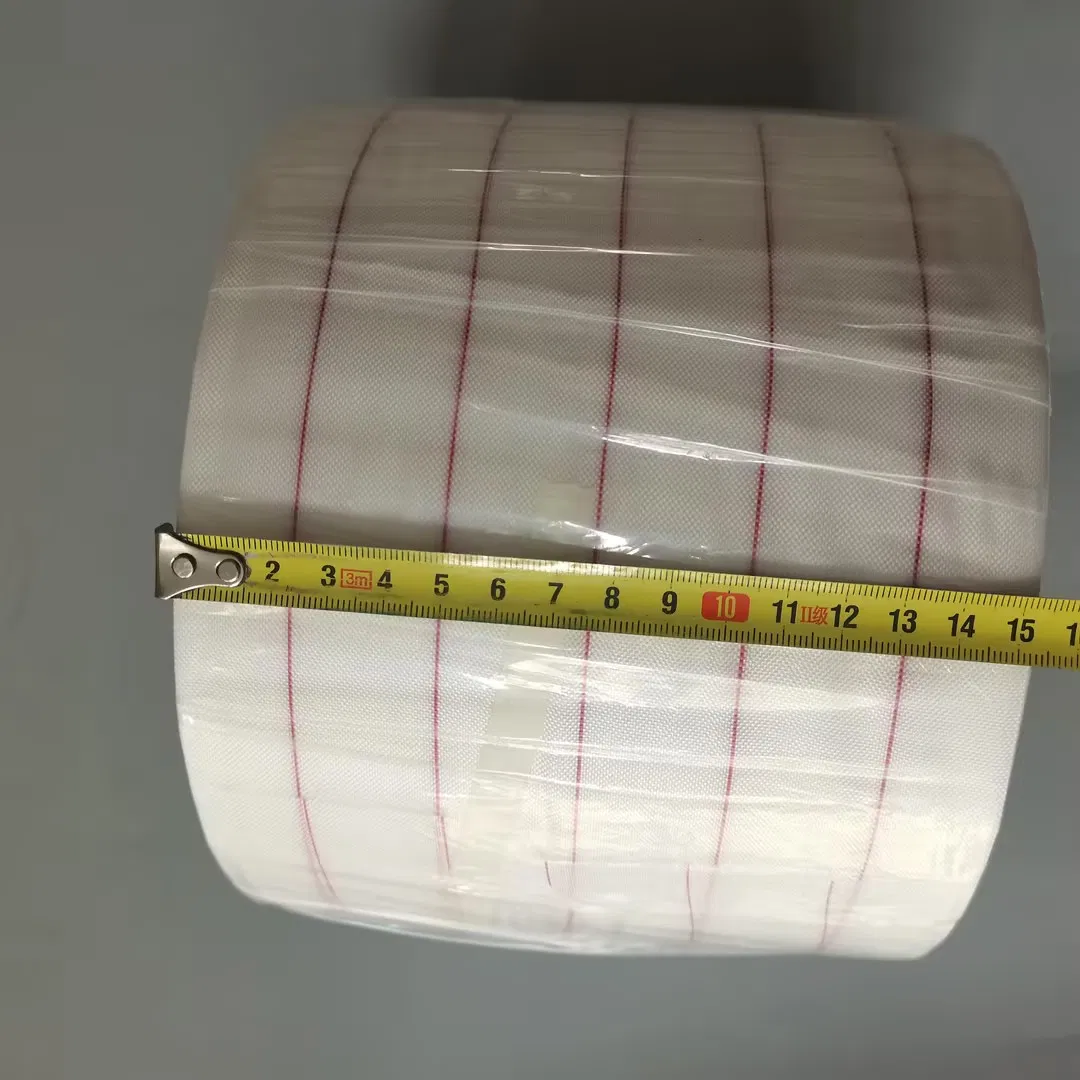
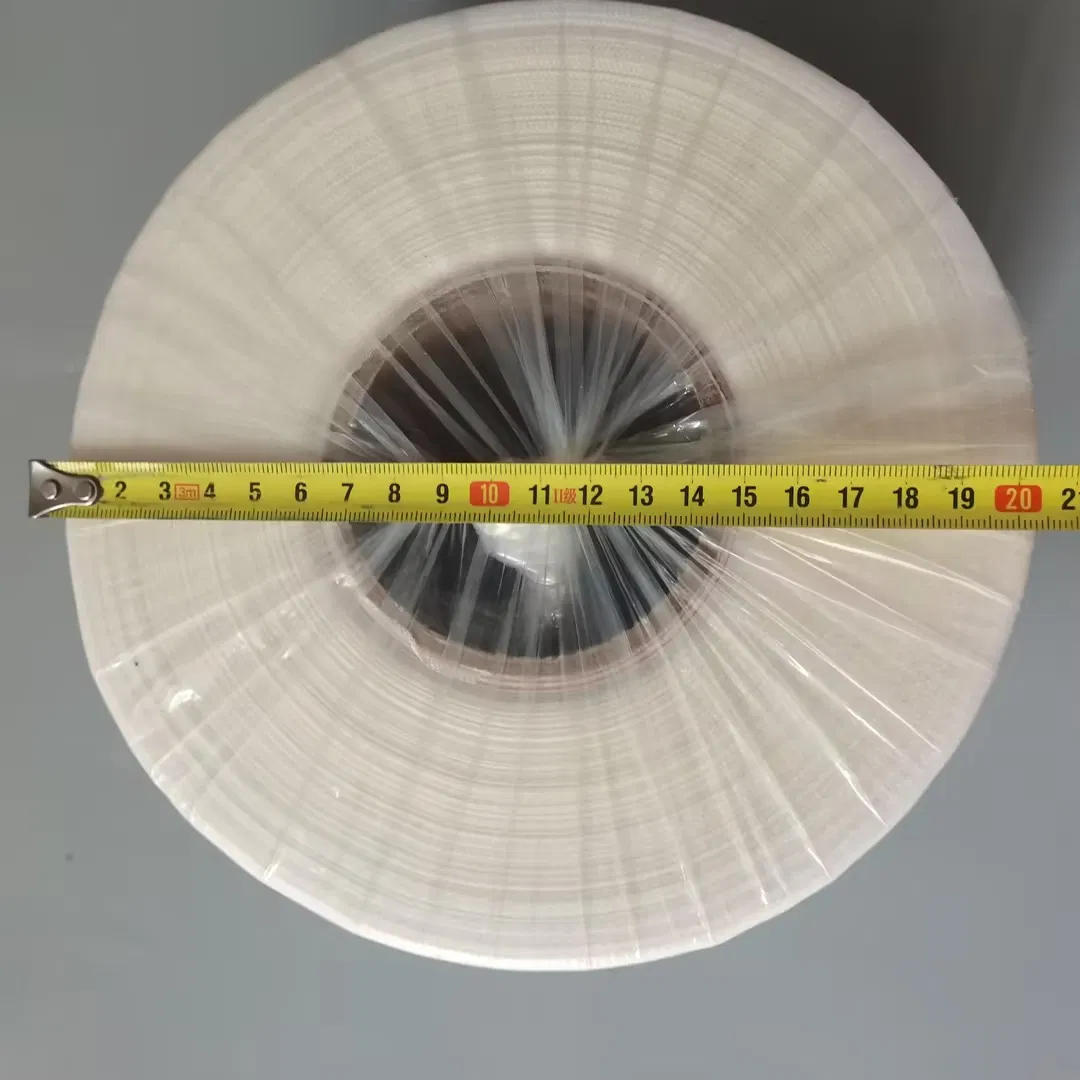
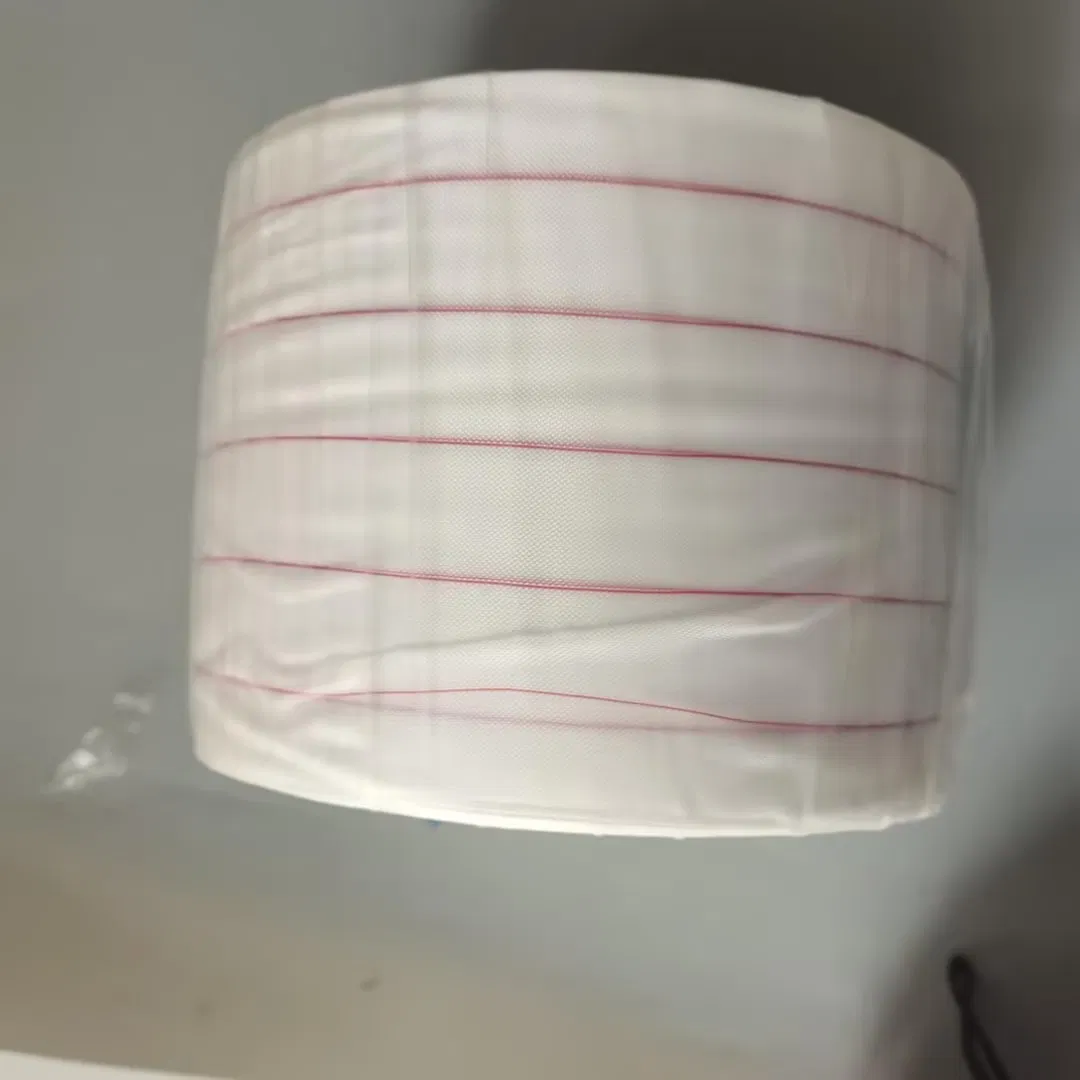
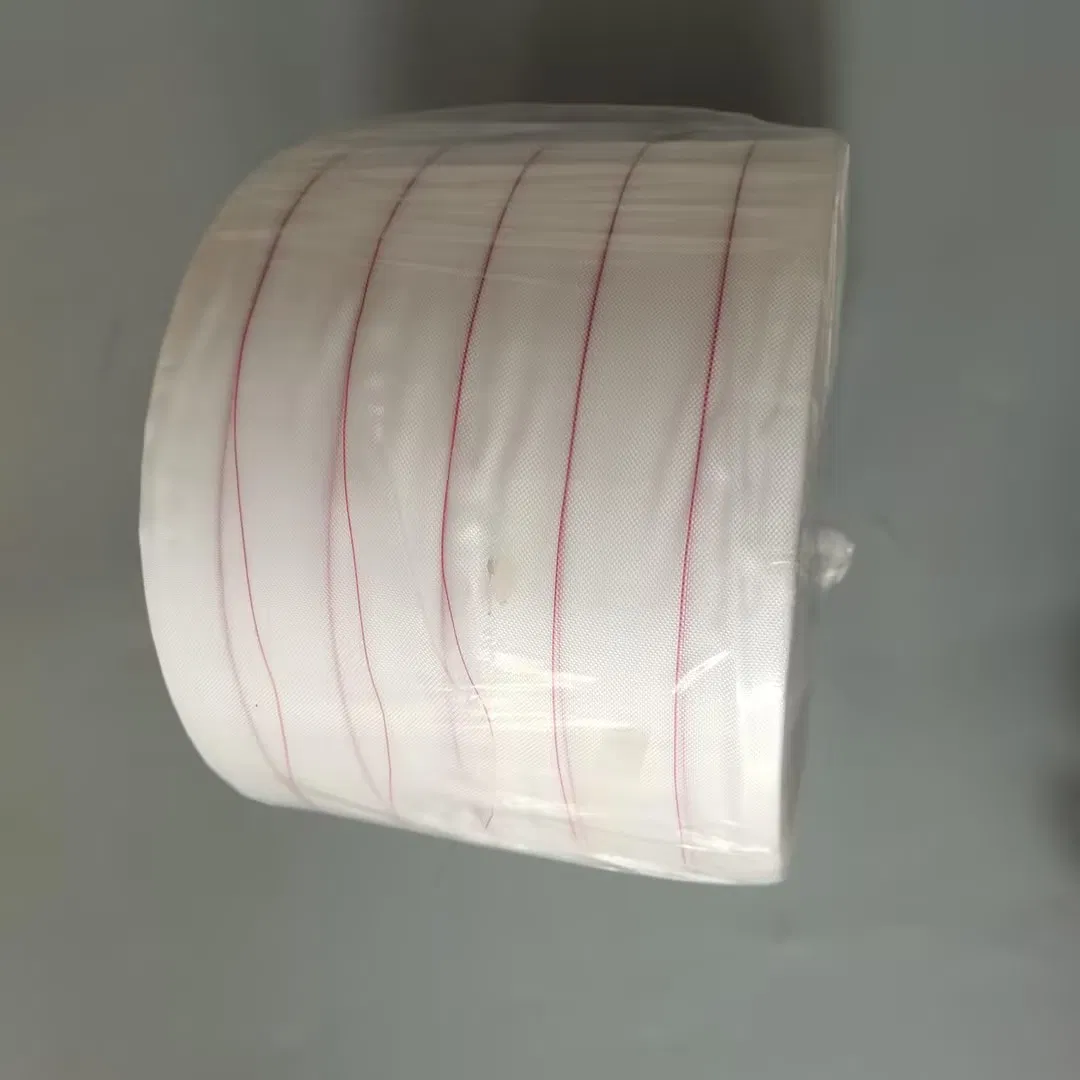
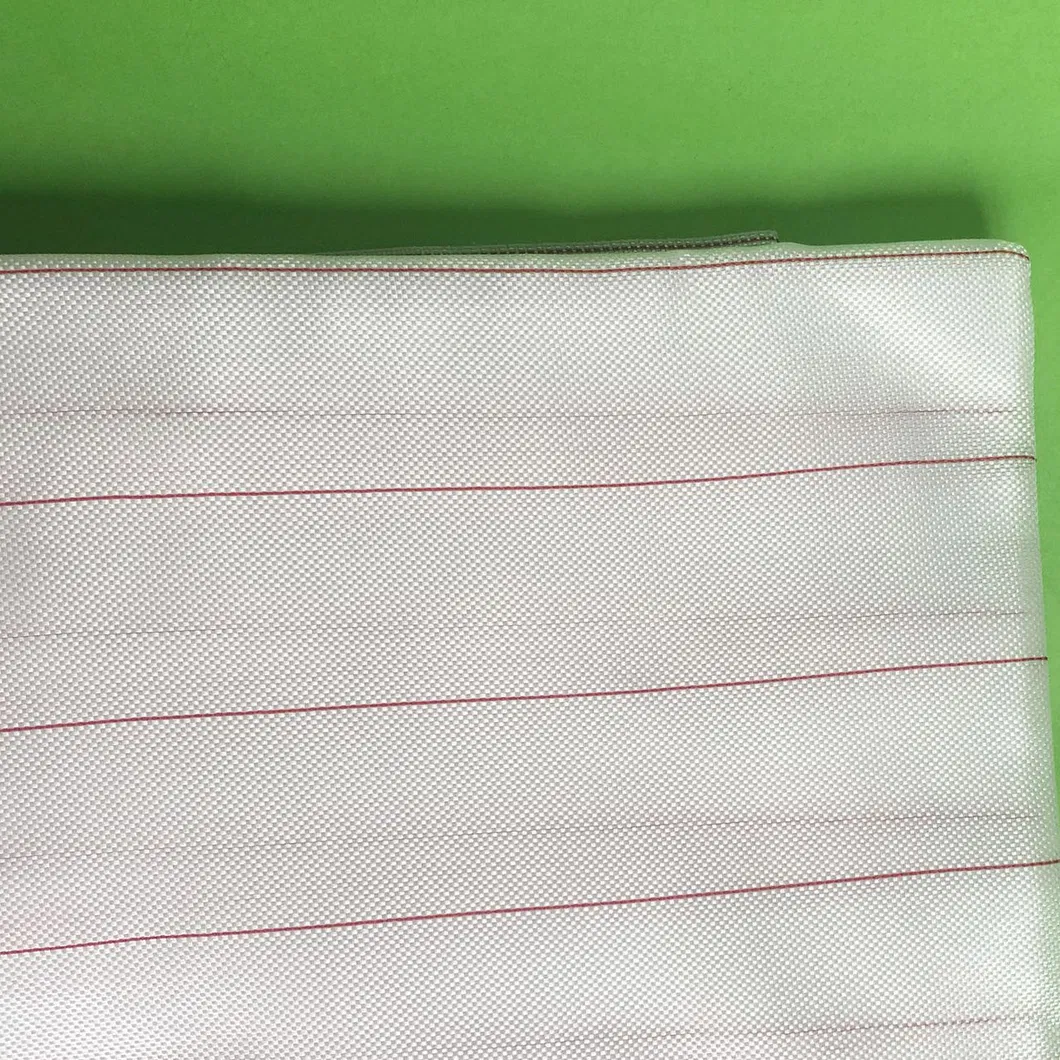
Peel ply exhibits excellent resin permeability, temperature resistance, and dimensional stability. It is designed to be easily removed from the surface of finished products, making it an essential material for vacuum infusion and other composite molding processes. Frequently utilized in pipe repairs, this product's width and roll length can be fully customized to meet specific engineering requirements.
| Property Item | Standard Value | |
|---|---|---|
| Product Code | Peel ply PA6-85R | |
| Area Weight (g/m2) | 85g ± 5g/m² | |
| Tensile Strength (N) | Warp Direction | ≥ 1250N |
| Weft Direction | ≥ 1050N | |
| Maximum Service Temperature | ≥ 210ºC | |
| Oil Content | ≤ 0.05 | |
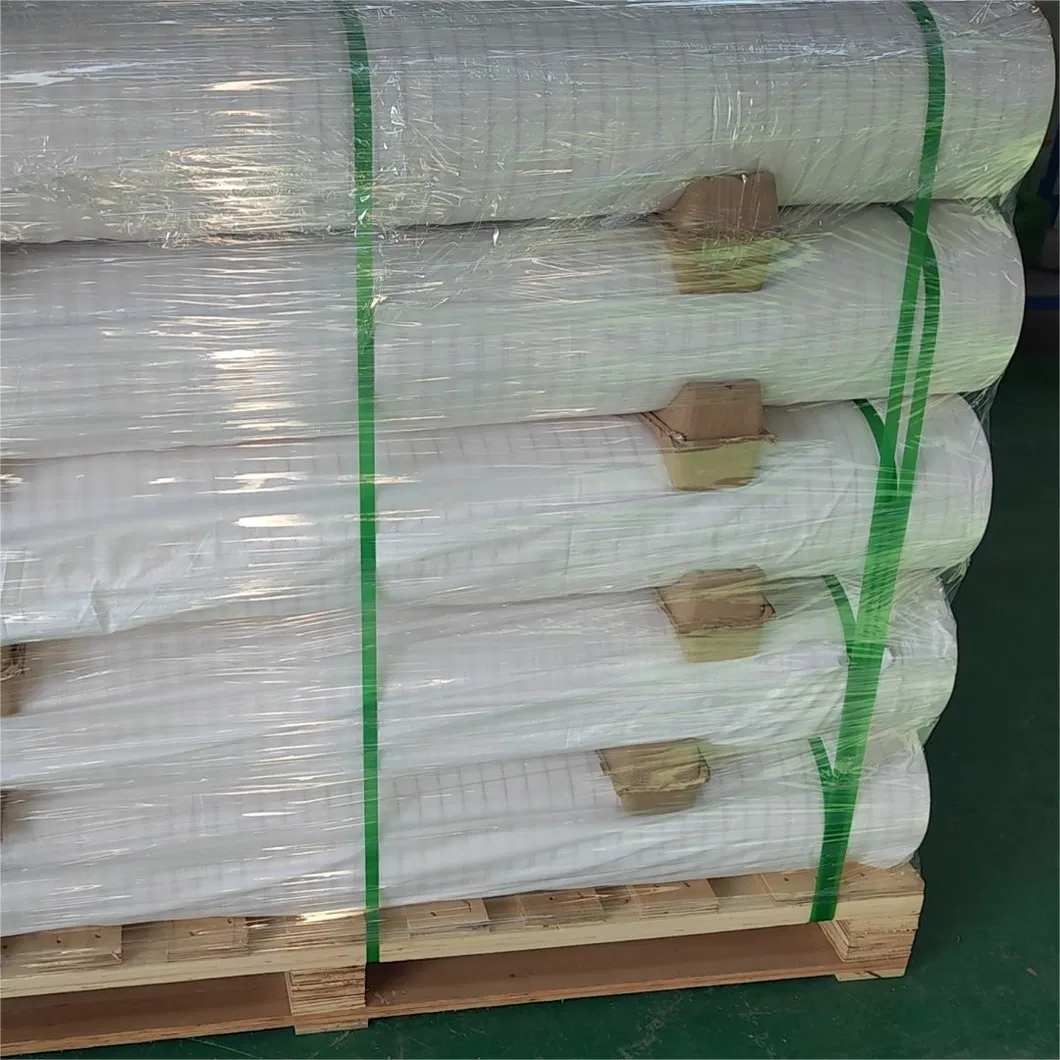
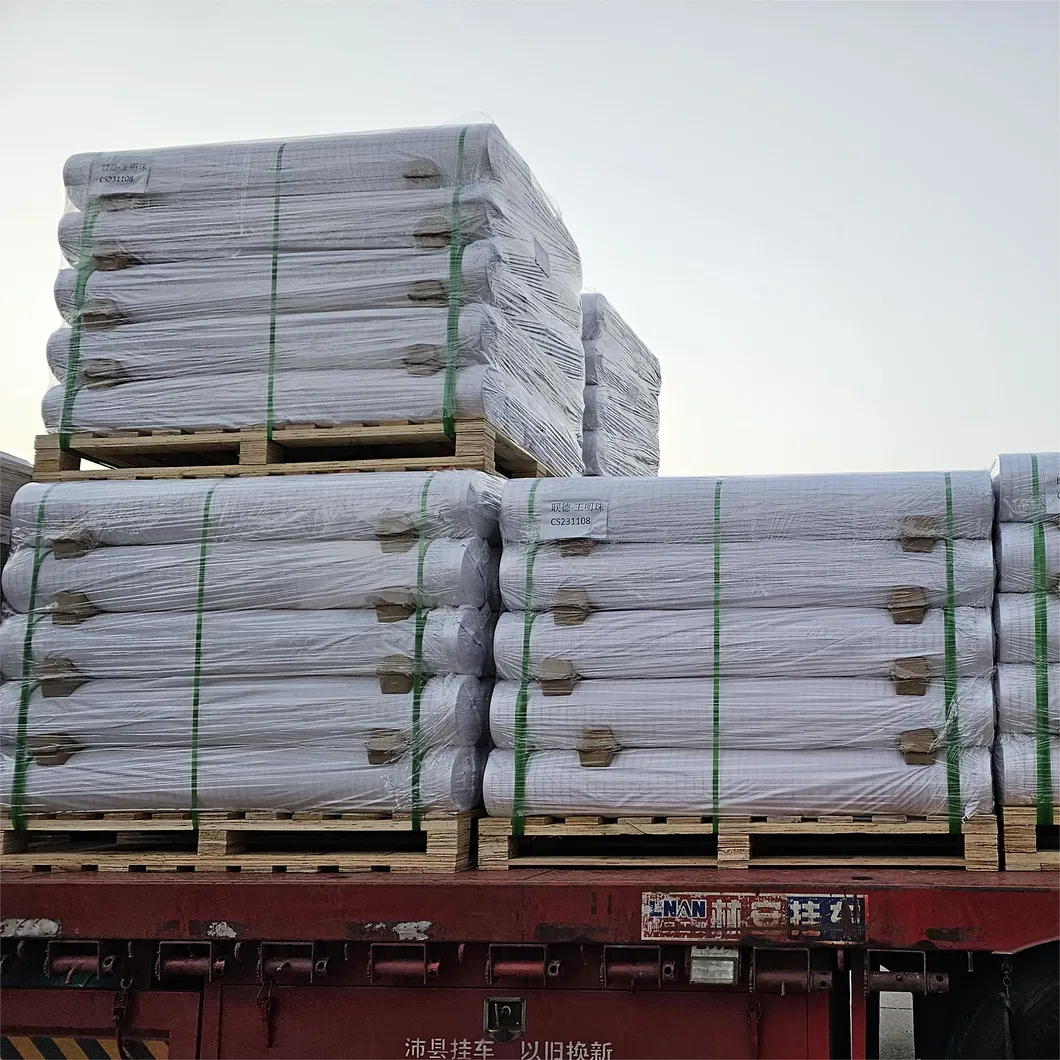
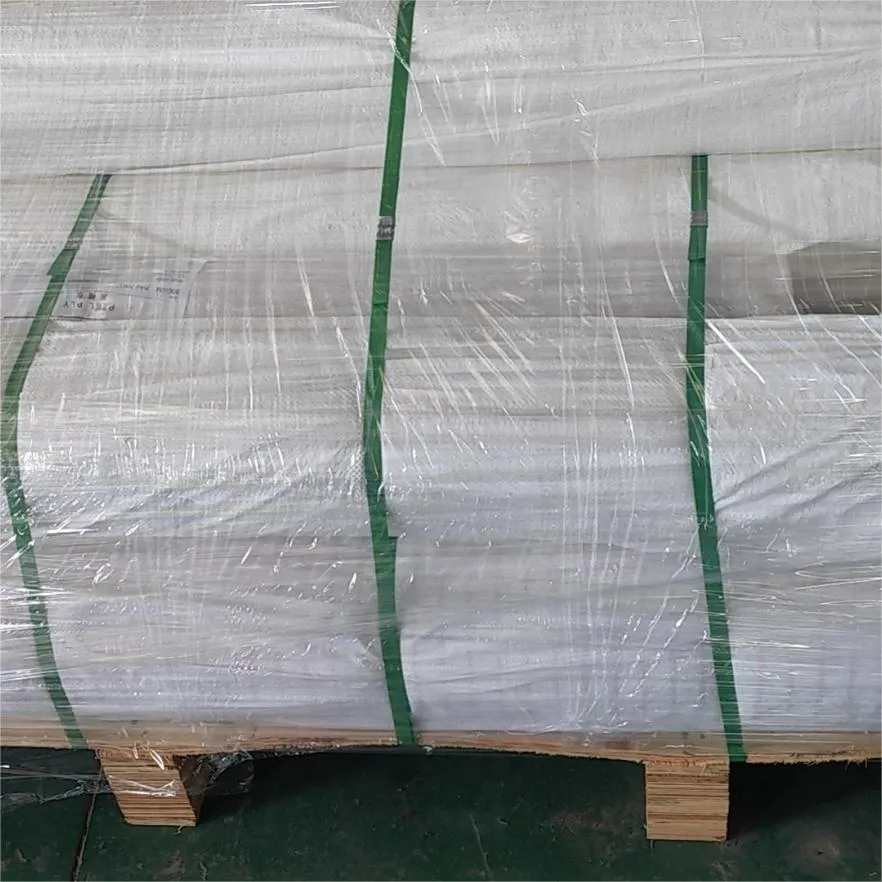
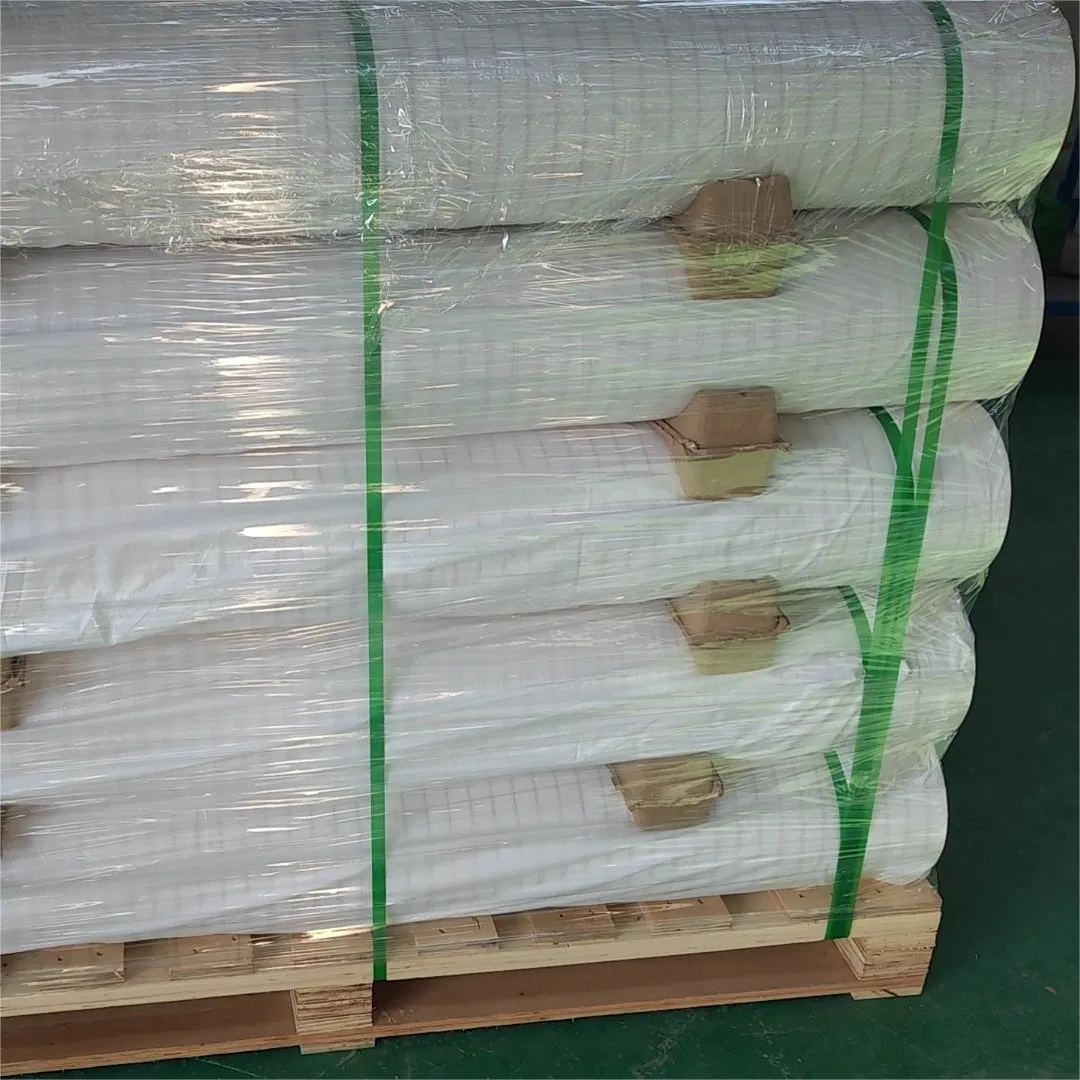
Labeling: Each roll is sealed in a plastic film bag. Labels include product name, specifications, gram weight, and custom roll dimensions.
Storage Environment: Store in a well-ventilated, dry, and clean warehouse. Ensure the material is stacked neatly to avoid deformation. Keep at least 2 meters away from heat sources. Storage life should not exceed two years.